
Mental Health is Most Important !
Why We Must Prioritize It ?
Jacinto Fernandes
9/21/20244 min read
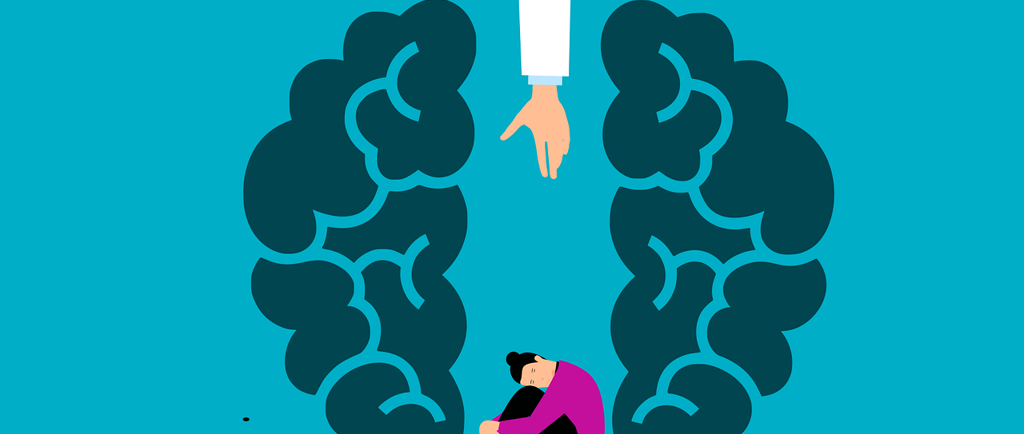
In a world that glorifies hustle culture and constant productivity, mental health often takes a backseat. We prioritize work, deadlines, relationships, and daily to-do lists, often ignoring the toll it takes on our emotional and psychological well-being. Yet, the truth remains—mental health is the foundation of a fulfilling and balanced life. It impacts how we think, feel, and act. Without mental health, it’s impossible to maintain a healthy body, relationships, or career. So, why is mental health the most important aspect of our lives, and why must we give it the attention it deserves?
1. Mental Health Affects Every Aspect of Life
Mental health influences how we handle stress, relate to others, and make decisions. Whether you're navigating the demands of work, managing family responsibilities, or pursuing personal growth, your mental state determines how you respond to challenges and opportunities.
When mental health suffers:
You may feel overwhelmed by tasks that would normally seem manageable.
Relationships may become strained as communication deteriorates, or emotions fluctuate.
Self-care and physical health may also suffer because mental well-being is connected to energy levels, sleep, and motivation.
On the other hand, when mental health is strong:
You're more resilient in the face of stress.
Your ability to focus, problem-solve, and communicate is enhanced.
You experience more joy in relationships and can maintain a sense of purpose.
2. The Link Between Mental and Physical Health
Mental and physical health are intricately linked. Chronic stress, anxiety, or depression can lead to a range of physical health issues, including heart disease, digestive problems, and a weakened immune system. According to studies, people with poor mental health are at a higher risk for chronic illnesses like diabetes and hypertension.
Additionally, when your mental health is compromised, you’re less likely to engage in healthy behaviors such as exercise, eating nutritious food, or getting adequate sleep—all of which are vital for maintaining physical well-being.
Prioritizing mental health, then, is not just about feeling emotionally balanced; it's about fostering a healthy body that can carry you through life’s demands.
3. Mental Health Drives Productivity and Creativity
Many people assume that pushing through burnout and stress is a badge of honor, especially in competitive work environments. However, the reality is that mental exhaustion significantly decreases productivity and creativity. The mind needs downtime to recharge, think clearly, and come up with innovative ideas.
Burnout and chronic stress sap your motivation, diminish your problem-solving abilities, and leave you less engaged with your work. Conversely, when you take care of your mental health, you’re more productive, creative, and capable of sustained focus. Companies that invest in employee mental health programs often see improved morale, higher productivity, and reduced absenteeism as a result.
4. It Helps Build Resilience in the Face of Life’s Challenges
Life is filled with ups and downs—loss, failure, rejection, and unexpected challenges are inevitable. Mental health doesn’t eliminate these difficulties, but it equips you with the emotional tools to navigate them. Resilience is the ability to bounce back from adversity, and it is closely tied to mental well-being.
People who prioritize their mental health can process negative experiences more effectively, learn from them, and move forward with a greater sense of purpose and strength. Without mental resilience, it’s easy to become trapped in negative thought patterns, leading to long-term emotional distress.
5. Improved Relationships and Social Connections
Our relationships are often the first to suffer when mental health is neglected. Stress, anxiety, or depression can lead to irritability, withdrawal, or difficulty in communicating effectively with loved ones. When your mental health is nurtured, you can approach relationships with greater empathy, patience, and understanding.
Strong mental health allows you to be fully present with others, deepening your connections and enhancing your social life. Healthy relationships are vital for emotional well-being, creating a positive feedback loop between social support and mental health.
6. Self-Care is Essential for Mental Health
Caring for your mental health often means taking time for yourself. Self-care is not selfish; it is necessary for emotional and psychological well-being. Whether it’s through mindfulness, meditation, exercise, reading, or simply taking breaks, prioritizing self-care routines helps to alleviate stress and foster a sense of calm and balance.
Many people neglect self-care because they feel it takes away from productivity or responsibilities. However, consistent self-care prevents burnout, enhances mood, and keeps your mental health in check, allowing you to be more effective in all areas of life.
7. Breaking the Stigma Around Mental Health
Despite growing awareness, the stigma around mental health issues remains a significant barrier to people seeking the help they need. Society often prioritizes physical health while treating mental health as secondary or even taboo. This stigma discourages individuals from talking openly about their struggles, leading to feelings of shame or isolation.
Recognizing that mental health is just as important as physical health is the first step toward breaking this stigma. Seeking therapy, counselling, or other professional help should be seen as an act of strength, not weakness. Encouraging open conversations about mental health can create a culture where individuals feel safe to seek support without judgment.
8. Mental Health Is a Lifelong Journey
Mental health is not a one-time achievement but an ongoing journey. Life circumstances will change, and so will your mental health needs. Just as you go to regular medical check-ups for physical health, it’s essential to check in with yourself and evaluate your mental and emotional well-being regularly. Building habits that prioritize mental health will help you maintain it throughout life’s highs and lows.
Conclusion: It’s Time to Prioritize Mental Health
Mental health is the cornerstone of a fulfilling and meaningful life. Without it, every other aspect of life—relationships, work, and physical health—becomes harder to manage. Prioritizing mental health means taking care of yourself holistically, making time for self-care, fostering resilience, and seeking help when needed.
Remember, your mental well-being is not a luxury—it’s essential. By making mental health a priority, you can lead a more balanced, joyful, and resilient life.