
"The Tragic Cost of Bullying: Lessons from Mihir’s Story and the Role of Counselling"
Bullying and Counselling
2/7/20252 min read
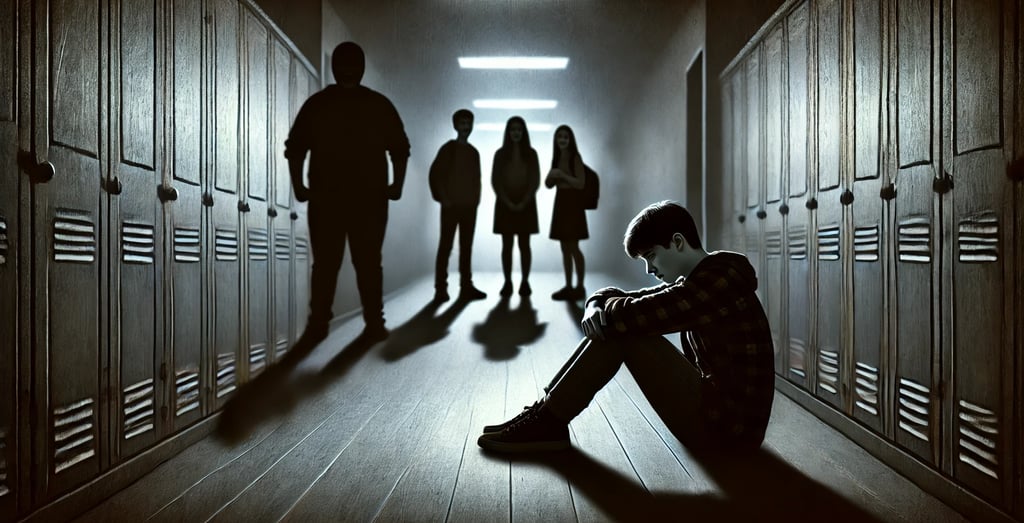

The tragic death of 15-year-old Mihir Ahamed in Kochi has cast a stark light on the severe consequences of bullying and ragging in educational institutions. Mihir, a Class 9 student at Global Public School in Ernakulam, reportedly faced relentless harassment from his peers, including physical abuse and derogatory comments about his skin color. The torment escalated to such an extent that he was allegedly forced to lick a toilet seat and had his head submerged in a toilet bowl. Unable to bear the continuous abuse, Mihir took his own life on January 15, 2025, by jumping from the 26th floor of his apartment building.
This heart-wrenching incident underscores the urgent need to address bullying in our schools and communities. Recognizing the signs of bullying and implementing effective interventions can prevent such tragedies in the future.
Identifying Signs of Bullying
Bullying can manifest in various forms—physical, verbal, emotional, and cyberbullying. Common indicators that a child may be experiencing bullying include:
Physical Signs: Unexplained injuries, torn clothing, or damaged personal belongings.
Emotional and Behavioral Changes: Sudden withdrawal from social interactions, noticeable decline in academic performance, frequent complaints of headaches or stomachaches, changes in eating or sleeping patterns, and signs of anxiety or depression.
Reluctance to Attend School: Expressing fear or reluctance about going to school, avoiding specific situations or places, or a sudden drop in attendance.
It's crucial for parents, teachers, and peers to remain vigilant and observant of these signs. Early detection is key to providing timely support to the victim.
Approaching the Issue
Addressing bullying requires a comprehensive and proactive approach:
Create a Safe Environment: Schools should foster an inclusive atmosphere where diversity is celebrated, and respect is paramount. Clear anti-bullying policies must be established, communicated, and enforced consistently.
Encourage Open Communication: Students should feel safe to report bullying incidents without fear of retaliation. Establish confidential reporting mechanisms and ensure that students are aware of them.
Educate and Train: Implement programs that educate students, staff, and parents about the effects of bullying, how to recognize it, and strategies to prevent it. Regular workshops and seminars can be beneficial.
Intervene Promptly: When bullying is identified, intervene immediately. Address both the victim and the perpetrator, providing support to the former and corrective measures for the latter.
Promote Bystander Intervention: Encourage students to stand up against bullying. Empowering bystanders to act can significantly reduce bullying incidents.
The Role of Counselling
Counselling plays a pivotal role in addressing the aftermath of bullying:
For Victims: Professional counselling provides a safe space for victims to express their feelings, process trauma, and develop coping strategies. Therapists can work with victims to rebuild self-esteem and resilience.
For Perpetrators: Counselling can help bullies understand the impact of their actions, address underlying issues contributing to their behavior, and develop empathy.
For the School Community: Group counselling sessions can foster a sense of community, promote understanding, and facilitate open discussions about the importance of respect and kindness.
In Mihir's case, his mother reported that he was bullied for his skin color and subjected to severe humiliation. Despite complaints, the issue remained unaddressed, leading to this tragic outcome.
This incident serves as a somber reminder of the devastating effects of unchecked bullying. It is imperative for educational institutions, parents, and communities to collaborate in creating safe and nurturing environments for our children. By recognizing the signs of bullying, taking proactive measures, and providing appropriate counselling, we can work towards preventing such tragedies in the future.